



Most commercial ice machines use nickel-plated evaporators to resist corrosion and keep ice production sanitary. But the wrong cleaning product, particularly one containing phosphoric acid or other harsh chemicals, can strip that nickel plating in a single cleaning cycle. That's why choosing a nickel safe ice machine cleaner matters more than most facility managers realize. Damaged plating leads to costly repairs, voided warranties, and potential health code violations.
The challenge is that mineral scale, lime deposits, and biofilm still need to come off. You can't just skip cleaning and hope for the best. You need a product that dissolves buildup effectively without attacking the nickel surface underneath. At Eco Safeway, this is exactly the kind of problem our HMIS 0-0-0 rated, non-toxic formulations are built to solve, delivering real cleaning power while protecting your equipment.
This article breaks down what nickel safe ice machine cleaners actually are, why standard descalers cause damage, how to use them correctly, and what to look for when choosing one for your facility's ice machines.
What "nickel safe" means for ice machines
The evaporator plate inside a commercial ice machine is where water freezes into ice. Most manufacturers coat these plates with nickel plating because it resists corrosion, transfers heat efficiently, and keeps the surface smooth enough that ice releases cleanly. When a cleaner reacts chemically with that nickel surface, you end up with pitting, discoloration, and metal contamination in your ice supply.
The role of nickel in ice machine evaporators
Nickel plating on evaporators is thin, typically measured in microns, which means it doesn't take much chemical aggression to compromise it. Standard descalers, especially those formulated with phosphoric acid or sulfamic acid, are highly effective at dissolving mineral scale, but they don't distinguish between calcium deposits and the nickel coating underneath. Once the plating starts to degrade, the base metal becomes exposed, leading to rust, bacterial harborage points, and ice that carries a metallic taste.
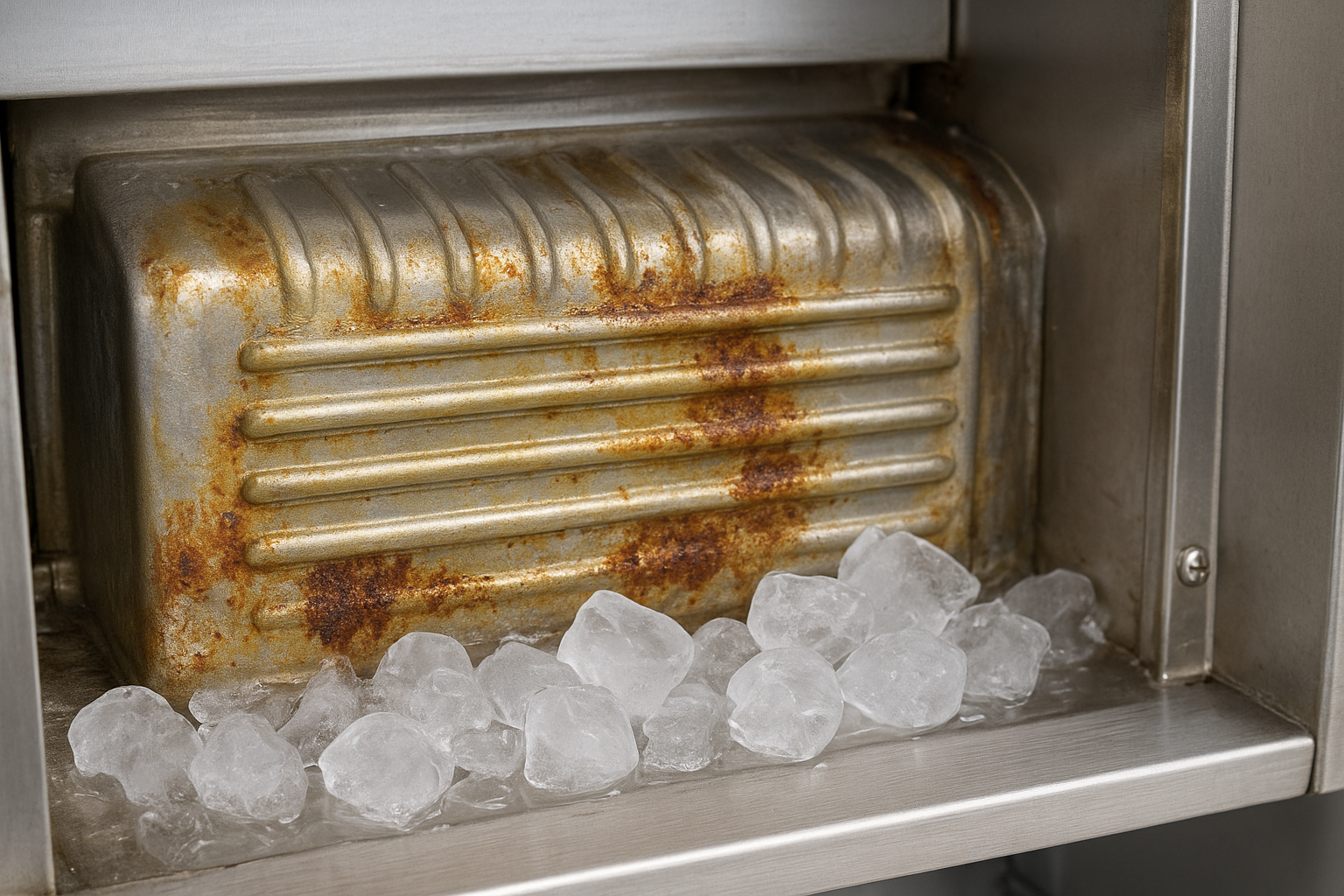
A single aggressive cleaning cycle can cause more long-term damage to your evaporator than months of scale buildup left untreated.
What the label "nickel safe" actually tells you
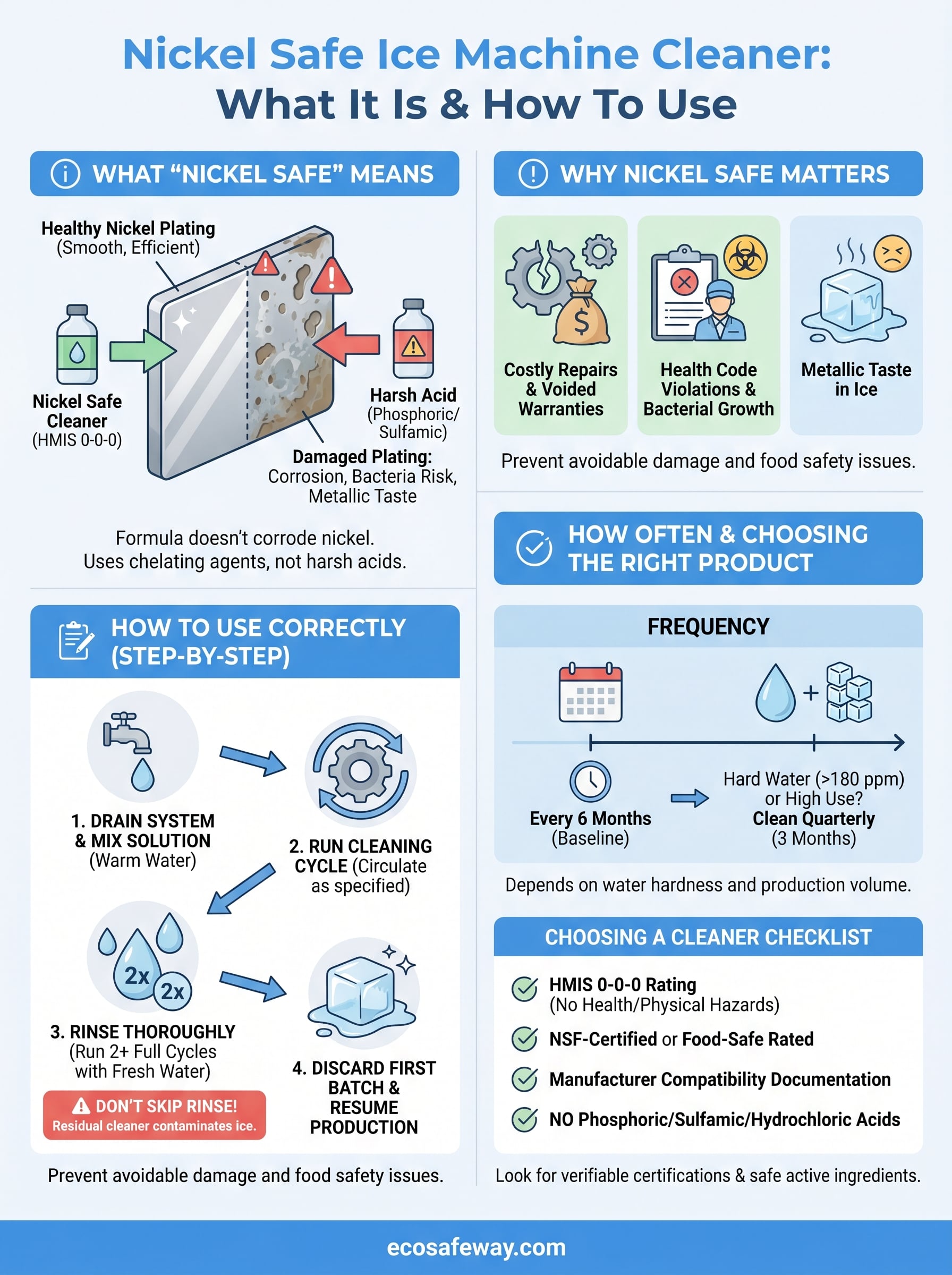
When a product is labeled as a nickel safe ice machine cleaner, it means the formula has been tested and verified not to react with or corrode nickel-plated surfaces at the recommended dilution and contact time. This typically involves using organic acid blends or chelating agents that break down mineral deposits through a different chemical pathway, one that targets calcium and magnesium ions without attacking the nickel itself.
Not every product carrying this label has been rigorously tested, so checking for manufacturer documentation or independent certifications matters when you evaluate your options. Look for products with a clear safety rating, like an HMIS 0-0-0 designation, which confirms the formula poses no health, flammability, or physical hazards during regular use.
Why nickel-safe cleaning matters
Using the wrong descaler doesn't just risk cosmetic damage to your evaporator. It creates equipment failures that compound over time, from voided manufacturer warranties to early replacement costs your maintenance budget never planned for. The gap between a nickel safe ice machine cleaner and a standard acid-based product often translates directly to thousands of dollars in avoidable repairs.
The real cost of the wrong cleaner
Acid-based descalers that strip nickel plating expose the base metal to ongoing corrosion and bacterial growth. Once that protective layer is gone, no amount of routine cleaning reverses the damage. You end up replacing evaporator plates far ahead of their expected service life, which for a commercial unit represents a significant unplanned capital expense.
Replacing a corroded evaporator typically costs several times more than years of proper nickel-safe cleaning.
Beyond equipment costs, corroded surfaces harbor bacteria and release metallic particles directly into your ice supply. Ice is classified as a food product, which means evaporator condition falls under food safety standards that health inspectors review during routine facility audits. A degraded or pitted surface can trigger code violations that force your operation to shut down until repairs are completed and the equipment passes re-inspection.
How to use a nickel safe ice machine cleaner
Applying a nickel safe ice machine cleaner correctly matters as much as choosing the right product. Using the wrong dilution ratio or leaving the solution in contact too long can still cause problems even with a safe formula, so following the manufacturer's instructions precisely protects both your equipment and your results.
Steps to clean your ice machine safely
Start by shutting down the machine and draining any remaining water from the reservoir and distribution lines. Mix the cleaner at the recommended dilution, typically with warm water, then pour the solution directly into the water reservoir or apply it to internal surfaces per the product directions.
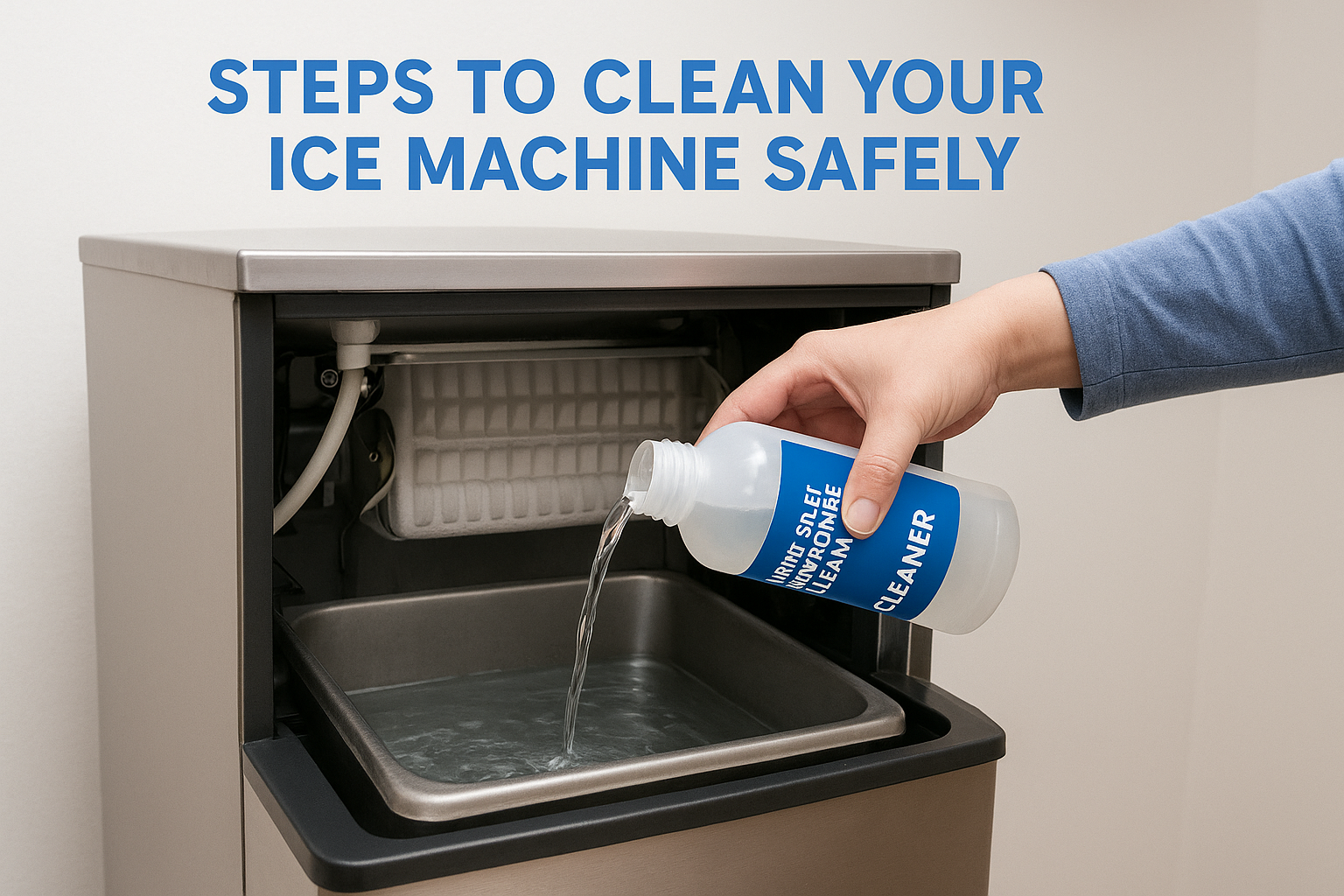
Never skip the rinse cycle. Residual cleaner left on nickel surfaces or in water lines will end up in your ice supply.
Run the machine through its cleaning cycle as specified, which circulates the solution through the evaporator and internal components. After the cycle completes, run at least two full rinse cycles with fresh water before returning the machine to normal ice production. Discard the first batch of ice produced after cleaning as a standard precaution to remove any trace residue from the system.
How often to clean and what affects buildup
Most ice machine manufacturers recommend cleaning every six months as a baseline, but that schedule assumes average water quality and moderate use. Your actual cleaning frequency depends on how hard your water is and how heavily the machine runs, which means some facilities need to clean quarterly or even more often.
Factors that speed up mineral deposits
Hard water is the biggest driver of scale buildup in commercial ice machines. Water with high concentrations of calcium and magnesium leaves deposits on evaporator surfaces faster than soft water does, shortening the window between effective cleanings. High production volume also increases buildup rate because more water cycles through the machine, leaving behind more mineral residue with each pass.
If your water hardness exceeds 180 ppm, plan to use a nickel safe ice machine cleaner at least every three months rather than every six.
Poor water filtration and ambient heat near the machine also accelerate deposit formation. Installing a quality water filter upstream of your ice machine reduces the mineral load before water ever reaches the evaporator, cutting down how often you need to descale and extending the life of the nickel plating in the process.
How to choose a nickel-safe cleaner
Not every product that claims to be safe for nickel actually delivers on that promise. When you evaluate a nickel safe ice machine cleaner, look past the marketing language and focus on verifiable safety certifications and documented test results that confirm the formula won't corrode nickel-plated evaporators.
A product's safety rating tells you far more about its actual risk to your equipment than its brand name or packaging claims ever will.
What to look for before you buy
Start with the HMIS safety rating. A product rated HMIS 0-0-0 carries no health hazard, no flammability risk, and no physical hazard, which means it uses a gentler chemical mechanism that is far less likely to damage sensitive plating. Avoid products that list phosphoric acid, sulfamic acid, or hydrochloric acid as active ingredients, since those are the primary culprits behind evaporator damage.
Check whether the manufacturer provides compatibility documentation specifically mentioning nickel-plated surfaces. You also want a product that is NSF-certified or food-safe rated, since your ice machine produces a food product and the cleaner you run through it needs to meet that standard. Choosing a formula that is biodegradable and non-toxic adds workplace safety benefits on top of equipment protection.
Next steps for clean ice
Keeping your ice machine running clean comes down to three things: choosing the right product, following the correct procedure, and sticking to a realistic cleaning schedule based on your water quality and production volume. A nickel safe ice machine cleaner that carries verified safety certifications and an HMIS 0-0-0 rating gives you the cleaning performance you need without putting your evaporator at risk. Cutting corners on product selection is where most equipment damage and avoidable repair costs begin.
Your next move is straightforward. Review what you are currently using against the criteria in this article, and if it does not meet the standard, switch before your next cleaning cycle. Eco Safeway's ice machine cleaner and descaler is food-safe, nickel-safe, and HMIS 0-0-0 rated, built for commercial and industrial use without the hazmat handling that comes with acid-based alternatives. Protecting your evaporator starts with putting the right cleaner in it.


